Data Quality Assessment System
An industrialized data quality framework that detects inconsistencies and monitors quality KPIs.
Business issue
Why I was brought into the project
Business teams needed a reliable way to identify recurring data inconsistencies and prioritize corrections across operational datasets.
Context
The environment around the project
Operational teams needed better visibility on data quality issues.
Functional environment
The functional context focused on data quality monitoring, inconsistency detection and business-led remediation.
Technical environment
The technical environment combined Dataiku, Python, PySpark, SQL and Power BI dashboards.
Challenges
The system had to industrialize quality controls while making the results readable and actionable for business users.
Solution
My contribution and its impact
My contribution to the project
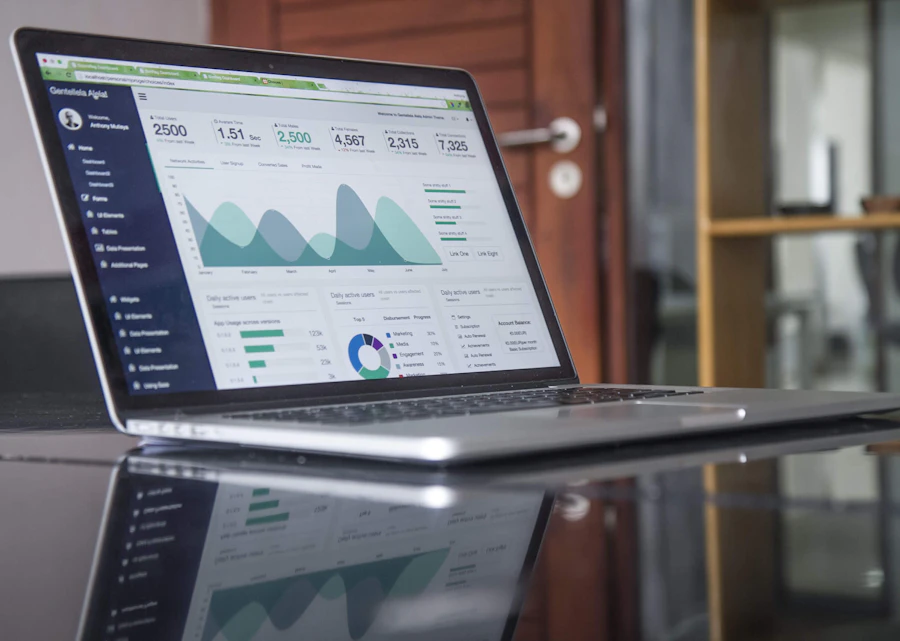
I developed an industrialized data quality assessment framework and designed a Power BI dashboard to monitor quality KPIs and highlight inconsistent data.
- Industrialized data quality assessment framework
- Power BI data quality dashboard
- Inconsistency detection rules
- Business remediation monitoring views
Impact
The project improved transparency on data quality issues and made it easier for teams to focus correction efforts where they mattered most.
- Faster identification of data inconsistencies
- Clearer data quality KPI monitoring
- More efficient correction by business teams
Impact metrics
Approach
How I structured the work
- Define data quality rules with business teams.
- Industrialize checks and indicators in the data platform.
- Build Power BI monitoring views to support correction and prioritization.
Takeaways
What I learned from this project
- Data quality systems must be designed for remediation, not just detection.
- Business-readable KPIs help convert technical checks into operational action.
- Industrialization is key when quality controls need to run repeatedly and consistently.